Feature
August 1, 2026
What stale data actually costs
A practical way to put dollars on dashboards that look fine and are three days wrong.

REDWOOD CITY, CALIFORNIA — Stale data does not announce itself. Charts still render. Someone still drops a screenshot into a board deck. The failure mode is quiet, which is why the cost is usually wrong in both directions — ignored as “just a pipeline thing,” or inflated into theater that nobody can audit.
Here is the back-of-envelope Vectornosis uses in working sessions: people who rely on the dashboard, times hours of rework or bad decisions per incident, times a fully loaded hourly rate, times incidents per month, times twelve. It is not a Nobel model. It is a shared language between the person who feels the pain and the person who signs the invoice.
Example: twelve people in GTM lean on a pipeline board. Twice a month it drifts for half a day. At a loaded rate around $100 an hour, you are already past $14,000 a year in wasted time — before counting the wrong bid, the wrong hire plan, or the wrong slide that nobody walks back.
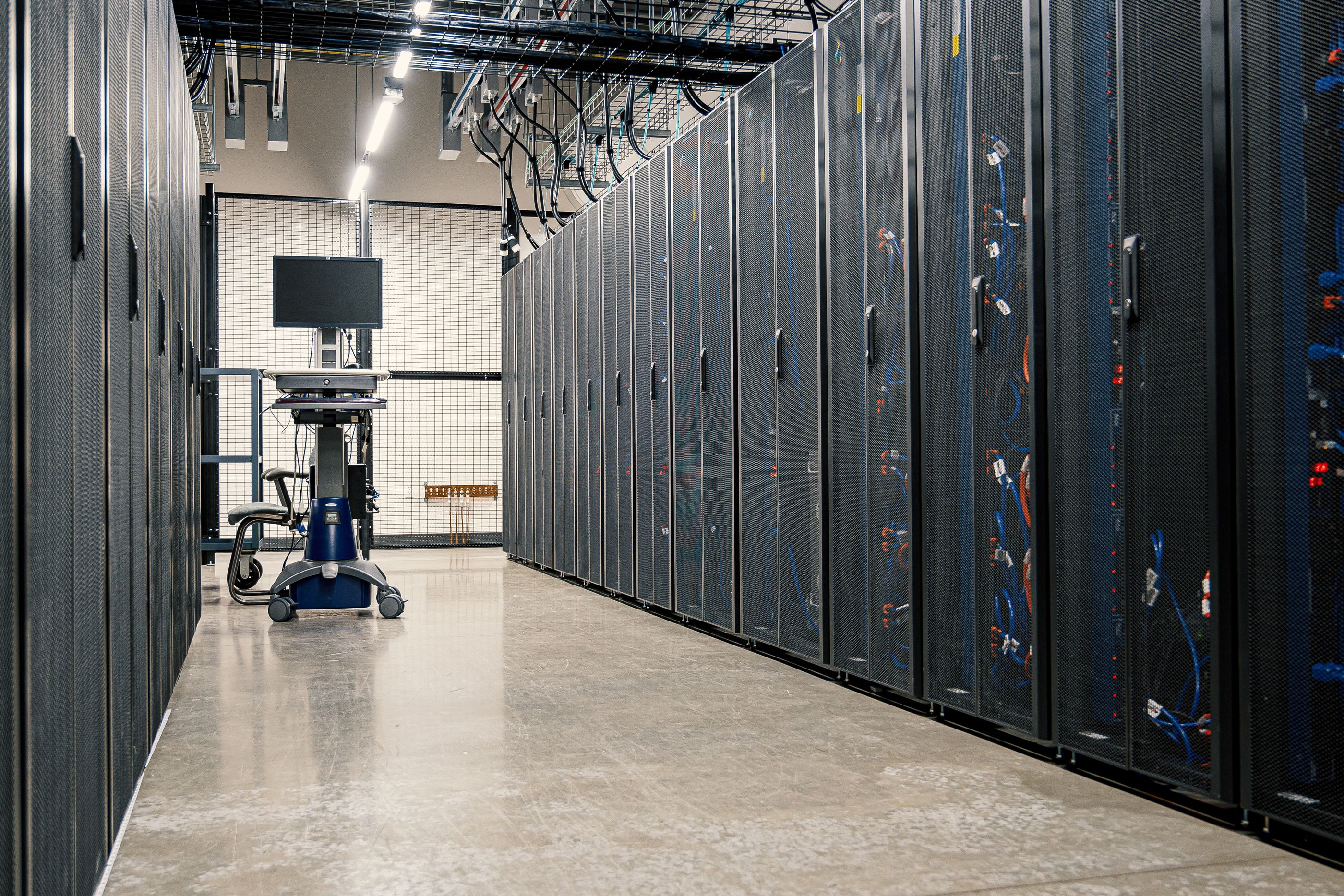
Operations still run on last-known-good. The bill shows up later, in meetings and make-up work.
Monitoring as cheaper than confident error
VectorData’s job is to notice the quiet failure: the table that did not land, the model that skipped, the job that billed like a mistake. One calm alert. A fix-first rank. Metadata only. The economics are not “buy more dashboards.” They are “stop being confidently wrong in front of people who trust the numbers.”
“Monitoring is not an engineering luxury. It is usually cheaper than the meeting that happens after a stale number has already been repeated.”
Ricky Jiménez Sparks, CEO of Vectornosis
The cost the formula misses
Rework hours are the part you can put on a spreadsheet. The rest is social. A number that gets repeated in a board deck becomes true whether or not the table landed. Walking it back costs more than the original pipeline. Hiring plans, bids, and spend freeze around screenshots. That is why “the dashboard looked fine” is not a defense. It is the failure mode.
VectorData exists to make the quiet failure loud enough, once, for the person who can fix it. Freshness is not a vanity SLA. It is whether the number in the room is the number in the warehouse. The calculator at /calculator is how two people in different roles agree on a dollar figure before anyone argues about tools.

What freshness looks like in the product
VectorData reads when a table last updated. It watches dbt so a skipped child does not pretend to be a separate apocalypse. It watches jobs so a bad scan shows up as cost, not as folklore. Watchdog ranks the one that unblocks the morning. One calm message. Metadata only. That is the intervention — not another dashboard of the same late number.
If your envelope is real, open the demo or book the audit. If it is small, you are still allowed to know when the table moved. Luck is not a monitoring strategy.
Run the envelope on your own board. If the number is real, book the audit or open the demo. If the number is small, you are lucky — and you should still know when the table last actually updated.